
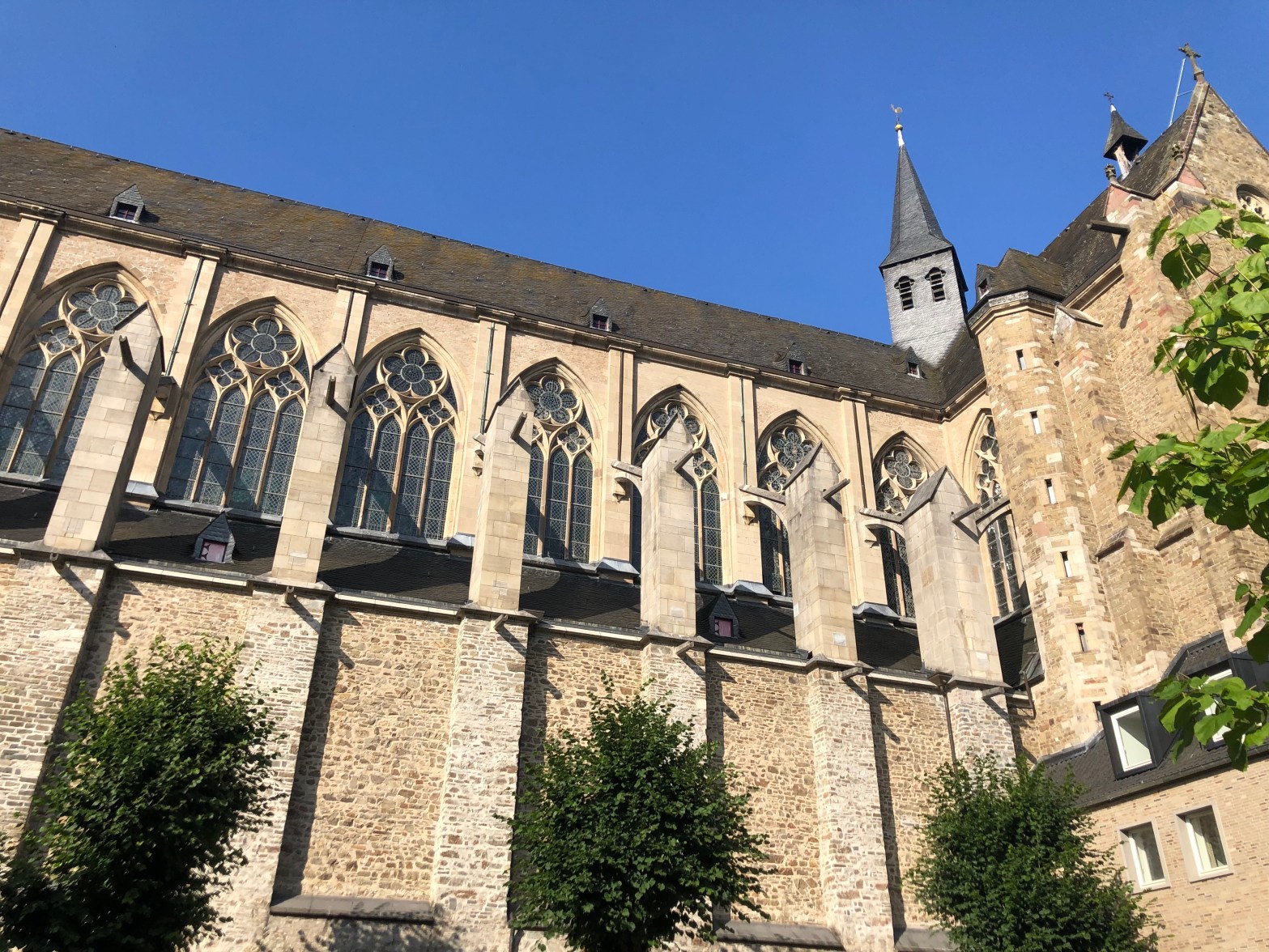
This post might be a little more boring for those who aren’t interested in applying for the Fulbright Program, but if you stick to the end I promise you’ll see some nice pictures from those few days in a town on the outskirts of Cologne called Altenberg.
I had been in Europe for two long weeks before I had any official Fulbright business to take care of. Throughout the entire summer, I had been anticipating several details and thinking of different logistical questions about moving to Germany, and sometimes when I had these questions, I would just send them in an email to the American programs representative in Berlin. But in terms of information we received, emails from the programs coordinators were sparse and I always closed them wanting more.
We were told the specifics of our grant such as the stipend amount, health insurance and other information on reimbursement, the start and end dates, as well as received a guide from the Pädogogischer Austauschdienst (the German educational exchange service) with information about what was expected of us in the classroom on a daily basis and navigating German bureaucracy. We also received information about the specifics of our orientation about a month before the program start date.
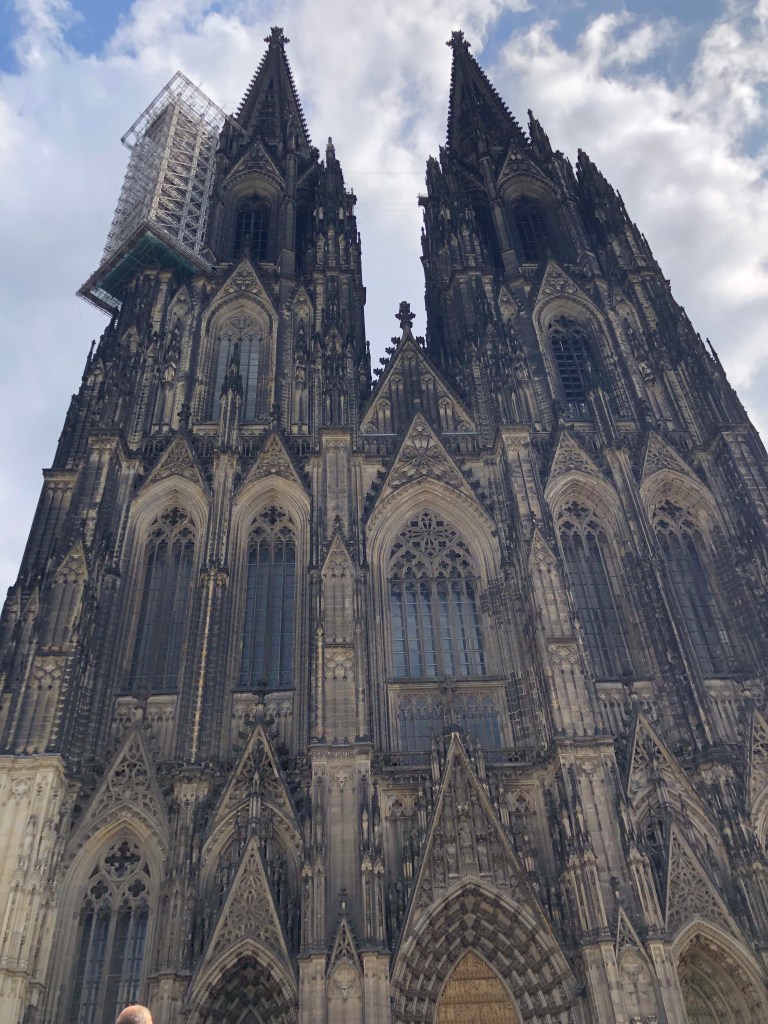
As the days drew closer and closer, my phone was blown up by WhatsApp messages from other Fulbright ETAs, excited to finally be meeting each other and to learn more specifics. I arrived at the Cologne central train station and as I walked out the door into the square, I was shocked by the massive size of the Cathedral towering over everyone. Trying to take pictures close to it is impossible just because the building is far too tall to fit into a single frame. I had to make it to the airport because that’s where we all were meeting to take a charter bus to the orientation site, so I didn’t have too long to explore.
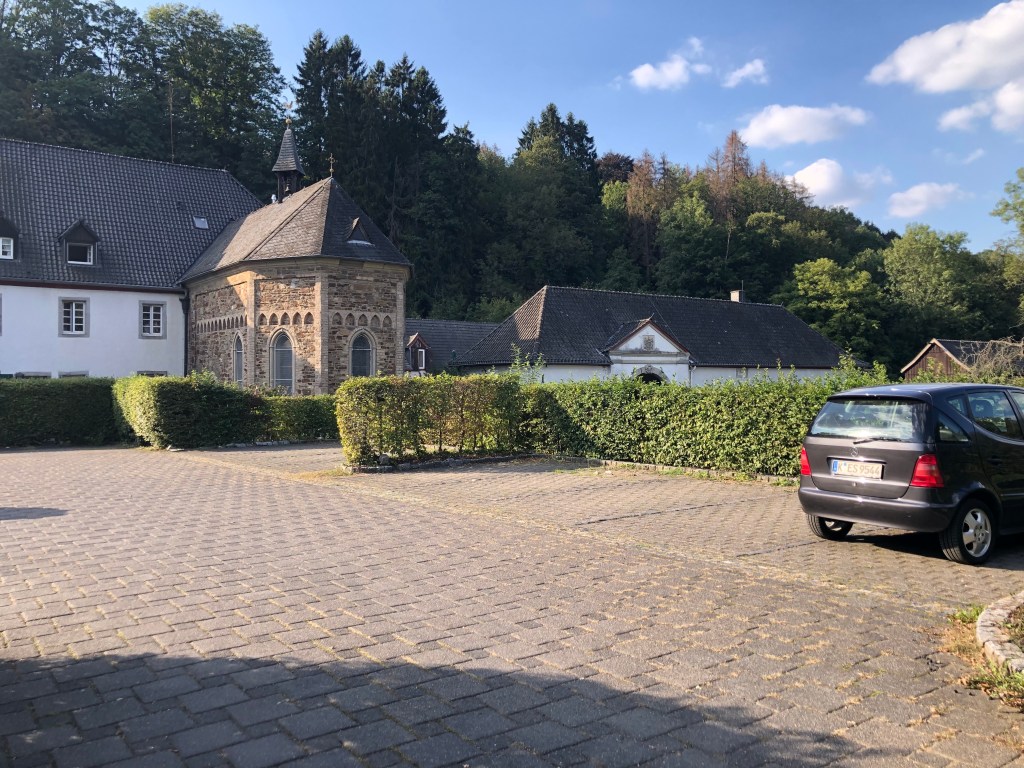
Once I got to the meeting spot, people were excited, talking to one another; there were clearly some nerves as well, although probably stemming from excitement. We finally arrived at the orientation site, this beautiful former monastery that we would call home for the next few days. We were told that we needed to bring towels and that they wouldn’t be provided, but they did end up giving us all the basic needs such as hand towels and bed linens for our stay.
To move into the main content of the orientation, we were kept to a pretty packed schedule throughout the day. In the mornings we worked with our groups and learned the basics of teaching students with others assigned to the same German state, and then there were different types of meetings in the afternoon. Since we really only had two full days of programming, this didn’t leave too much time to rest and get to know the other ETAs during the day.
We were also divided up within our working groups to create mini-lessons to present to the class, and we were each given different age groups as well in order to keep their language skill level in mind. My group had to teach to kids from grades 8-10, and we planned a lesson around ways to get to know someone better.
While the mornings were fun, the afternoons were a little more dull. The meetings we had in the afternoon were more informational and very long. One meeting was strictly about the specifics of our grant and information about our health insurance, but almost all of the information told to us during that meeting was also written in the materials sent to us over the summer. We were given a chance at the end of the program to provide feedback, and one of the major things discussed was how boring that one meeting was, so hopefully it’s somehow changed for next year’s orientation.
There were also some other meetings, one of which was called the World Café, where we could go around and talk about different topics, like navigating cultural differences, pursuing activities in Germany and even making friends while abroad. There was also a talk on mental health, which is nice if you’re worried about moving abroad by yourself. It’s also nice in general, just in case you have a major case of culture shock and you’re not too sure how to deal with it.
While there wasn’t much time to get to know each other during the day, there was plenty of time to do that at night. After dinner ended around 8 pm, the bar at the youth guest house was open and every night it was full. It offered a few different local drinks for a very cheap price, and it was a nice way to relax after a long day of sitting through different meetings with no break. It is a great way to get to know others in the program, and for those who aren’t really into drinking, there’s also some programs planned for those who might be sober.
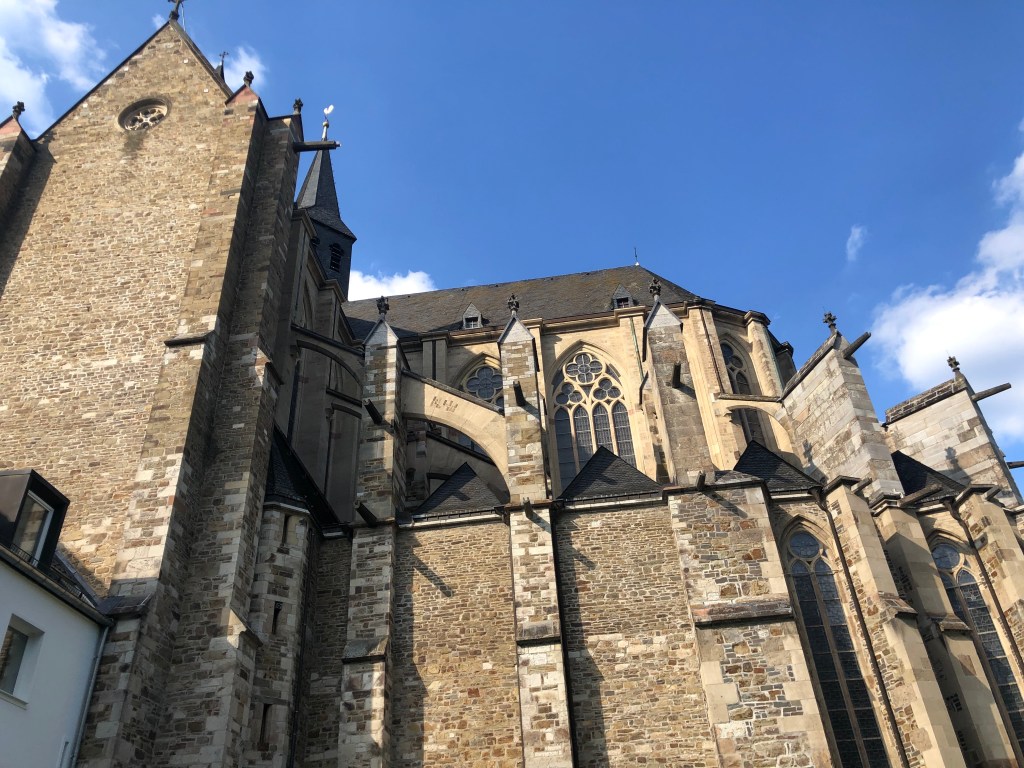
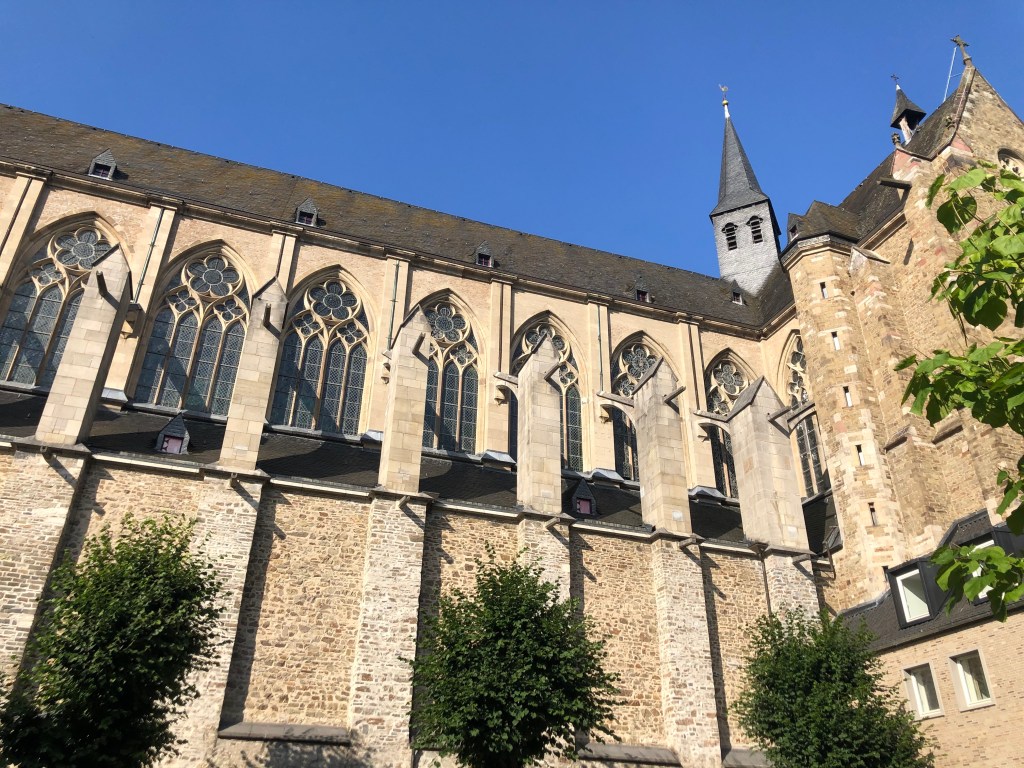
Overall, for those who want to know what orientation is like, it’s a few long days packed within a week, and despite some of the more boring aspects, it is really a fun experience. I think it really does prepare you for the task at hand, and it reassures those who are maybe a little anxious that there are so many friendly faces there to help you if you should ever need it. We’re all having the same, basic experience, and we’re always there to support one another if we need it. And while some of the events planned at the orientation are boring, I think the chance to meet those who will be going through similar experiences as you is the greatest thing to come out of those fews days in Altenberg. Now, as promised, here are some nice pictures from the orientation site :).
By the way, here’s a link to a video I saw about the Wolfsburg Blackbirds! If you can understand German, enjoy!

