
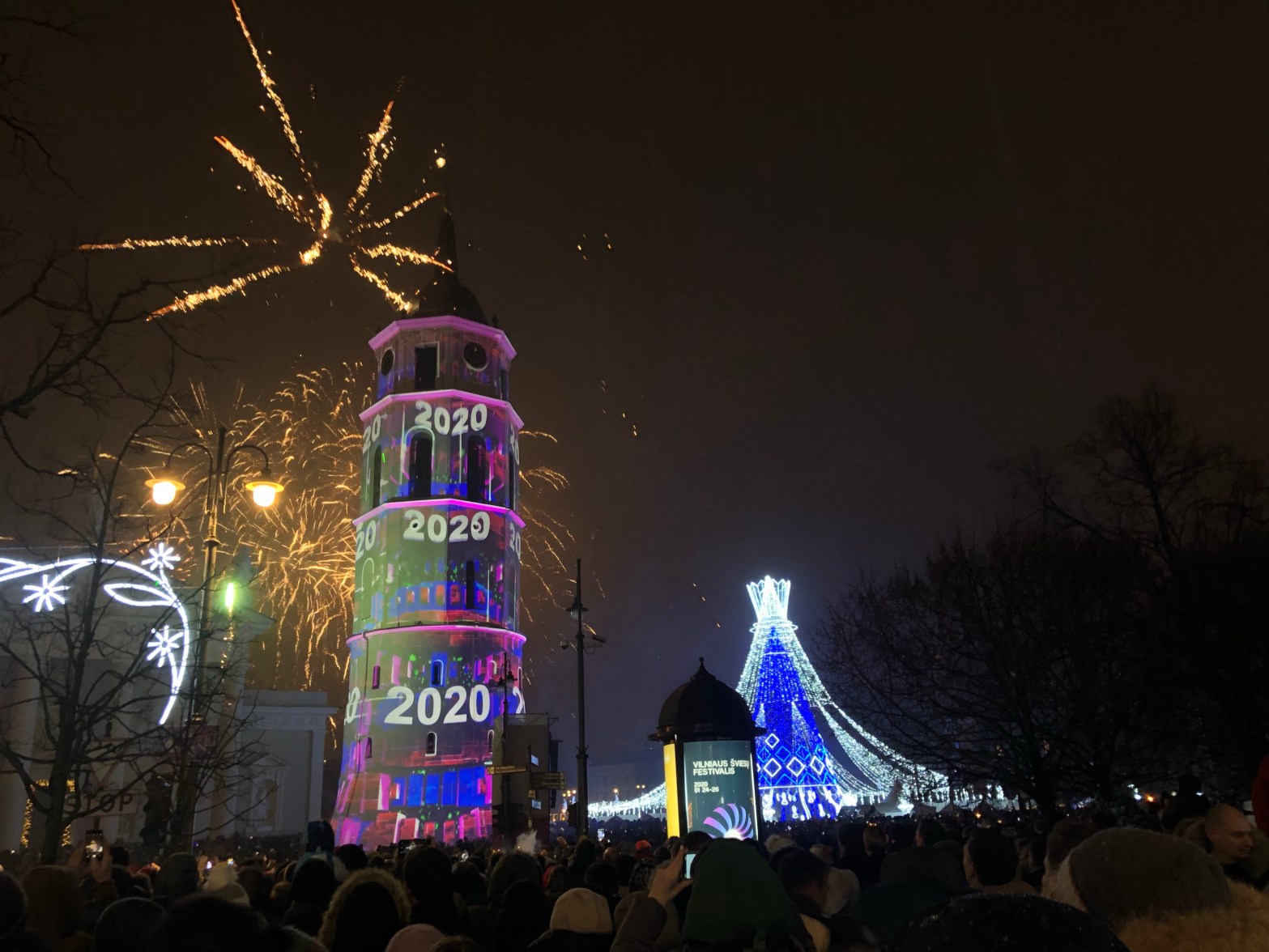

I am officially done with the 2019 portion of my Fulbright grant in Germany! It’s crazy to think that I’m not even halfway done with my time here, and going into 2020, there is one thing that I want to accomplish with the rest of my time here more than anything, and that is to take more weekend trips to see more of the country that I have studied so much during undergrad.
I think that with train travel and bus travel being as affordable as it can be with regard to traveling within Germany, I should be seeing more parts of the country than I have already. I’ll get to travel to some other cities with my Blackbirds teammates, but I also want to have some time to explore those cities in a deeper way, which will only come with taking a weekend trip. So, my goal for the rest of my time here is to take at least one weekend trip a month to different cities in Germany.
Although I’d like to increase the number of places I visit, I have just spent my last week of 2019 and first week of 2020 in two different countries, Hungary and Lithuania. My time in Hungary was like a homecoming for me in a way. My mom’s side of the family is Hungarian, as my mom grew up in Budapest, the capital city. I went to Hungary during Christmas to visit my grandfather and to celebrate the holiday with him.
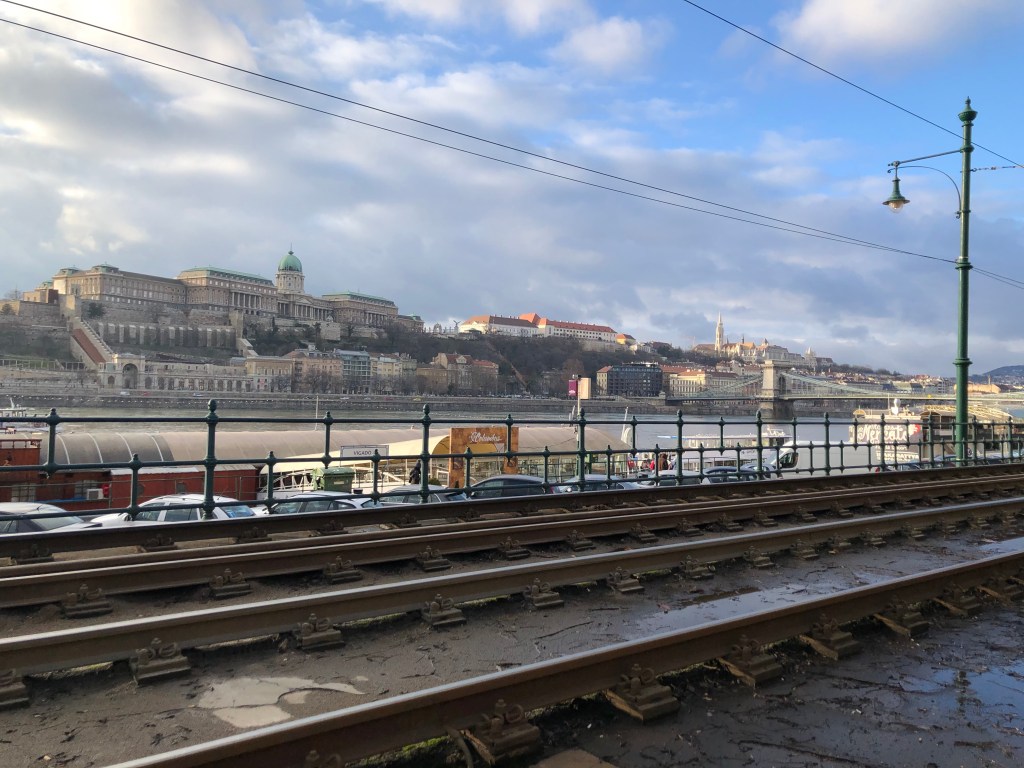
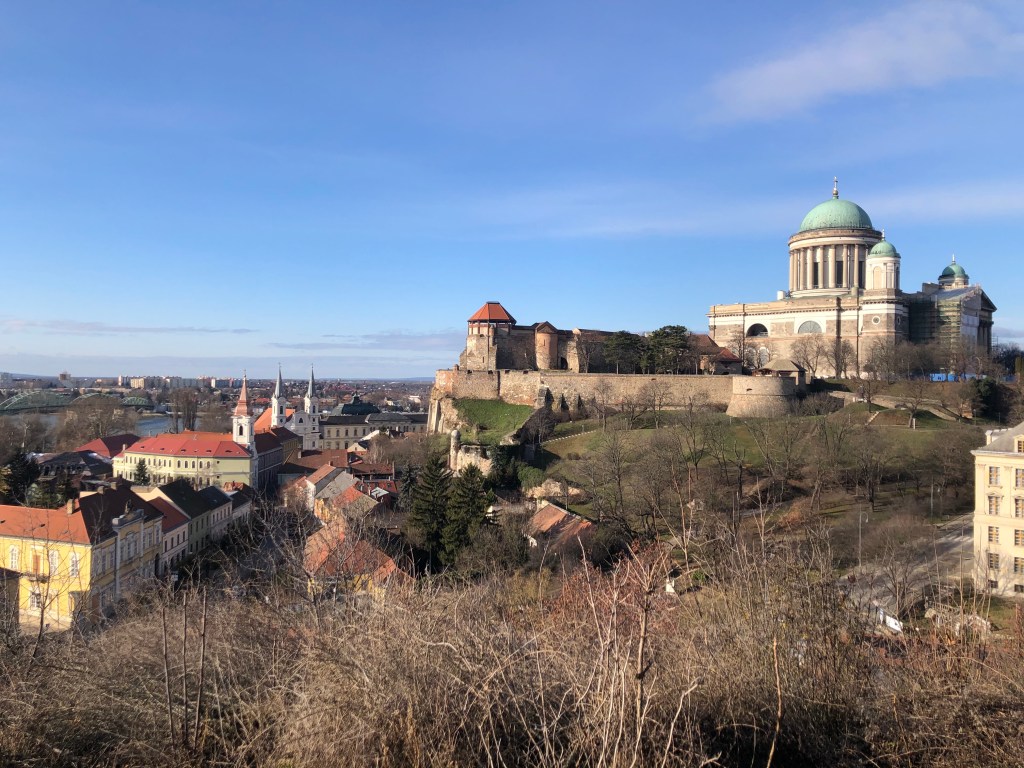
I was welcomed to his apartment with open arms and a classic Hungarian dish of csirkepörkölt, a paprika and chicken stew, with egg noodles. I had stayed with my grandfather in Hungary before for a comparatively longer time over the summer, but this was my first time in Hungary during the winter season, something that I really enjoyed. During my time in Hungary, I ate a lot of great Hungarian meals made by my grandfather, rented a car and drove with him to visit my grandmother’s godmother who is 97 years old (and counting!), and drove myself to the Hungarian city of Esztergom, the former capital of the Hungarian Kingdom back in Medieval times. And during my time in Budapest, my grandfather and I went to visit the Advent markets downtown near the banks of the Danube, and we visited the Hungarian National Museum, where I learned more about Hungary’s long and turbulent history.
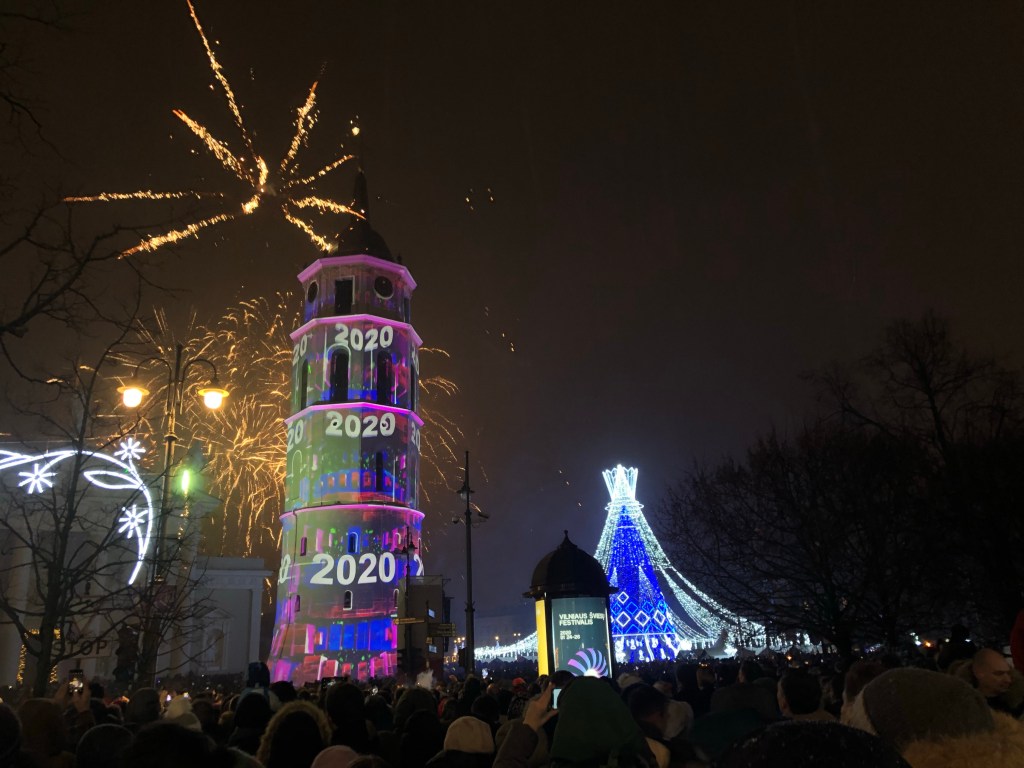
After taking an early morning flight out of Budapest on December 30th, I found myself in Vilnius, Lithuania for the turning of the new year. I never thought that I would spend my first day of 2020 in Lithuania, but with the help of Fulbright friends made in Germany, I was able to make a new friend with a Fulbrighter placed in Lithuania, Abby, who was kind enough to host me and my Fulbright Germany friend, Eddy, for the holiday. And seriously, what a host! Transportation in Lithuania and food was relatively cheap in the country, which allowed us to visit different cities between one and two hours outside of Vilnius.
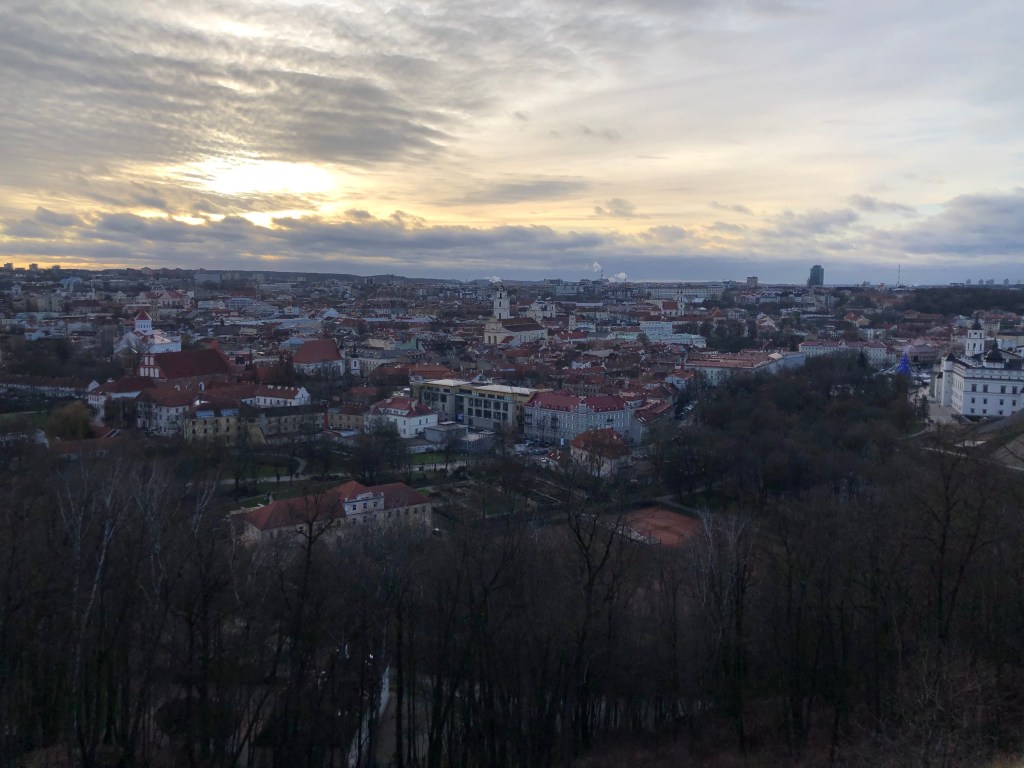
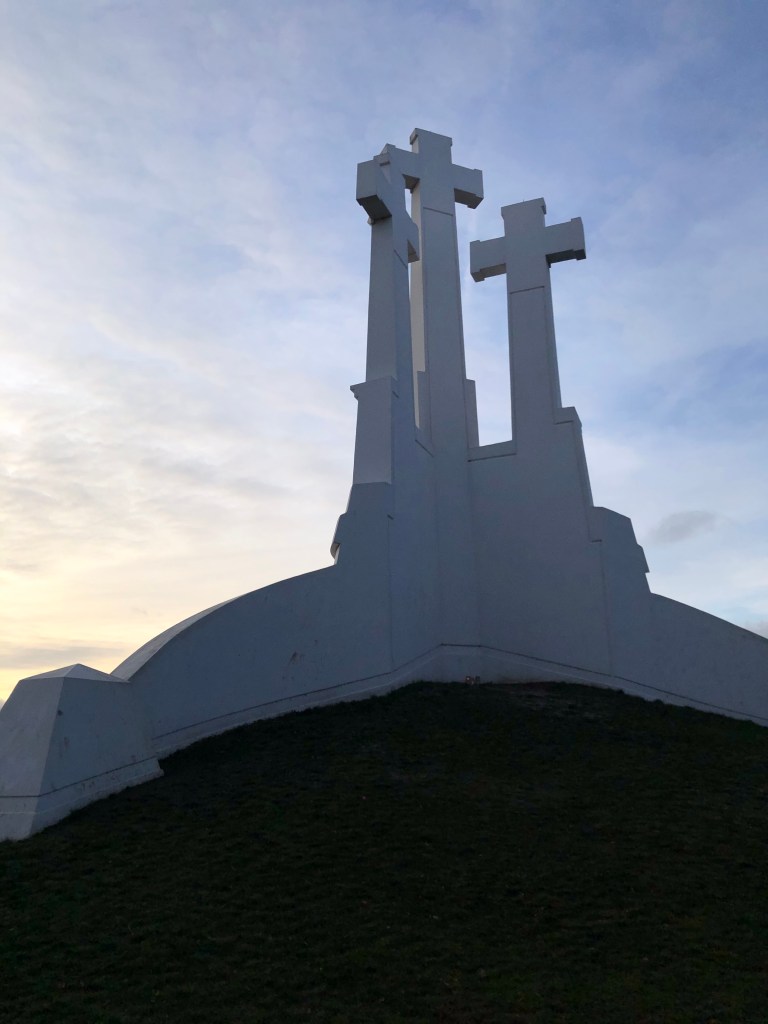
I didn’t know too much about Lithuania before going, but I learned a lot while I was there from Abby, as well as from the museums that we visited. Like Hungary, Lithuania also had a long history, first gaining significant territory under the rule of Duke Gediminas in the 14th century. The Duchy of Lithuania spanned from the Baltic Coast in the north as far down as the coasts of the Black Sea in the south. The shape and strength of Lithuania changed throughout the centuries, and with the rise of the Russian Empire, Lithuania was eventually taken into its territory in the 18th century. From that point on, Lithuania wasn’t able to become an independent state truly until the late 20th century with the collapse of the Soviet Union, and is currently a republic and both a member of the European Union and NATO.
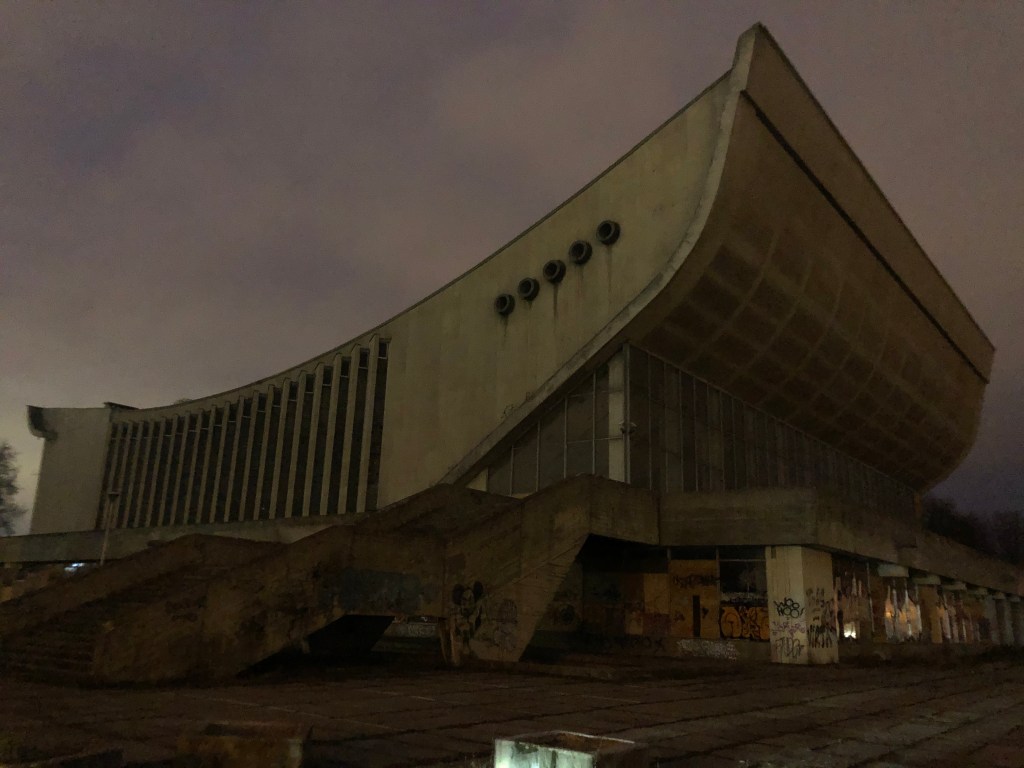
Looking around Vilnius today, one can find traces of its Soviet occupation and Russian influence throughout the city, from its Russian Orthodox churches to its antiquated Soviet trollies, as well as its extensive Soviet-style architecture. There are some abandoned buildings that were built by the Soviets scattered in the city, which leaves much to be imagined for those that can only imagine what it looks like inside.
Vilnius is the furthest east in Europe that I have traveled, and it certainly did not disappoint. As a city in Europe, Vilnius is definitely underrated, and if you’re looking for a great vacation destination with a lot to do and is cheap, then definitely consider Vilnius as your next vacation destination. For now, though, it’s back to teaching here in Wolfsburg, eagerly awaiting my next trip to somewhere new.


Tommy, it is so nice to hear all of your exciting stories. Glad you have the opportunity. Love it!!!
LikeLike